Patient Population
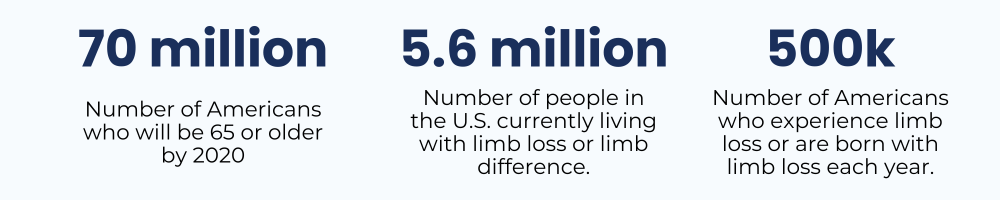
With an aging U.S. population and more and more people affected by diabetes, obesity, heart disease, paralysis, limb difference, and orthopedic impairment, there is an increased patient need for trained O&P professionals.
Orthotic patients need external support for a part of the body because of neuromuscular or skeletal conditions such as cerebral palsy, scoliosis, spina bifida, stroke, plagiocephaly, multiple sclerosis, sports injuries, and more. Other patients who have undergone mastectomies due to breast cancer or have foot conditions due to diabetes, high or flat arches, or repetitive stress also require such support.
Prosthetic patients have limb differences from birth (congenital) or have experienced amputation due to trauma, cancer, infection, or abnormalities in blood vessels or nerves.
Orthotic and prosthetic (O&P) patients can be of any age, size, race, gender, or socioeconomic status, but they all have one thing in common: they need the services of caring and trained O&P professionals.